


Rhode Island

Regulations on ADUs and Container Homes
in Rhode Island

Rhode Island Frequently Asked Questions
Are container ADUs legal in Rhode Island?
Container-based accessory dwelling units may be permitted in many parts of Rhode Island, but even when state-level rules are in place, local municipalities may still have some say and also may differently interpret state housing regulations. Some states or municipalities treat container homes similarly to modular or prefabricated structures, while others review them as standard residential construction.
Before installing a container ADU, it is important to review both statewide ADU policies and the zoning regulations of the specific city or town where the property is located.
Are accessory dwelling units (ADUs) allowed in Rhode Island?
Many states, including Rhode Island, have introduced policies encouraging or allowing accessory dwelling units as a way to address housing shortages and provide more flexible living arrangements. However, the exact regulations may vary by.
Even if Rhode Island has state level regulations allowing them, local zoning ordinances often determine where ADUs can be placed, what size they can be, and whether they must be attached or detached from the primary residence.
Can I put a container home in my backyard in Rhode Island?
In many cases, homeowners in Rhode Island may be able to place a container-based ADU in their backyard if the property meets local zoning requirements. These requirements typically include minimum lot size, setback distances from property lines, and access to utilities. Because local regulations can vary widely between cities and towns, each property should be reviewed individually to determine whether a backyard installation is feasible.
Do I need permits to install a container ADU in Rhode Island?
Yes. Like most residential structures, container ADUs installed in Rhode Island typically require permits and inspections. These permits often include zoning approval, building permits, and inspections related to electrical, plumbing, and structural safety.
The exact permitting process may vary depending on the municipality where the property is located.
Do cities and towns in Rhode Island have different ADU rules?
Yes. While Rhode Island may have statewide policies related to accessory dwelling units, individual municipalities often maintain control over zoning and permitting. This means that ADU requirements such as setbacks, lot coverage limits, and parking requirements may differ between cities and towns within Rhode Island and your local municipality may interepret the state laws differently.
What zoning requirements affect container ADUs in Rhode Island?
Zoning regulations in Rhode Island may influence whether a container ADU can be installed on a property. Common zoning factors include minimum lot size, distance from property lines, height restrictions, and access to utilities such as water and sewer. Some municipalities may also have architectural guidelines or review processes for nontraditional housing structures.
Can a container ADU be used as a rental in Rhode Island?
In many parts of Rhode Island, accessory dwelling units may be used as long-term rental housing, but local regulations can vary. Some municipalities may allow long-term rentals while restricting short-term rentals such as Airbnb or vacation rentals. Property owners should review the rules specific to their city or town in Rhode Island before planning to rent an ADU.
Do I need to own land before installing a container ADU in Rhode Island?
In most cases, container ADUs are installed on residential properties where a homeowner already owns the land. Because an ADU is typically considered an accessory structure, it usually must be placed on a property that is approved for residential use. Requirements may vary depending on local zoning laws in Rhode Island.
How long does it take to install a container ADU in Rhode Island?
The timeline for installing a container ADU in Rhode Island can vary depending on permitting, site preparation, and utility connections. Once approvals and site preparation are complete, the delivery and installation process is typically much faster than traditional construction. The overall timeline often depends on local permitting processes and the specific conditions of the property.
Are container homes considered modular or manufactured housing in Rhode Island?
The classification of container homes in Rhode Island can depend on how the structure is designed, installed, and permitted. In some cases they may be reviewed similarly to modular or prefabricated structures, while in other situations they may be treated as custom-built residential units. Local building officials and zoning departments typically determine how a container-based home is categorized during the permitting process.
Important Note: Zoning laws, incentive programs, and permitting requirements change frequently and vary by municipality. The information on this page is for general reference only, does not constitute legal advice, and should be verified with your local authorities before making any decisions.
A Smarter Way to Build Housing
Built faster, designed better, and engineered for long-term performance—this is housing reimagined.
Our Models
ContainerSolutions focuses on truly scalable configurations that allow rapid, assembly-line like production for a wide variety of applications.
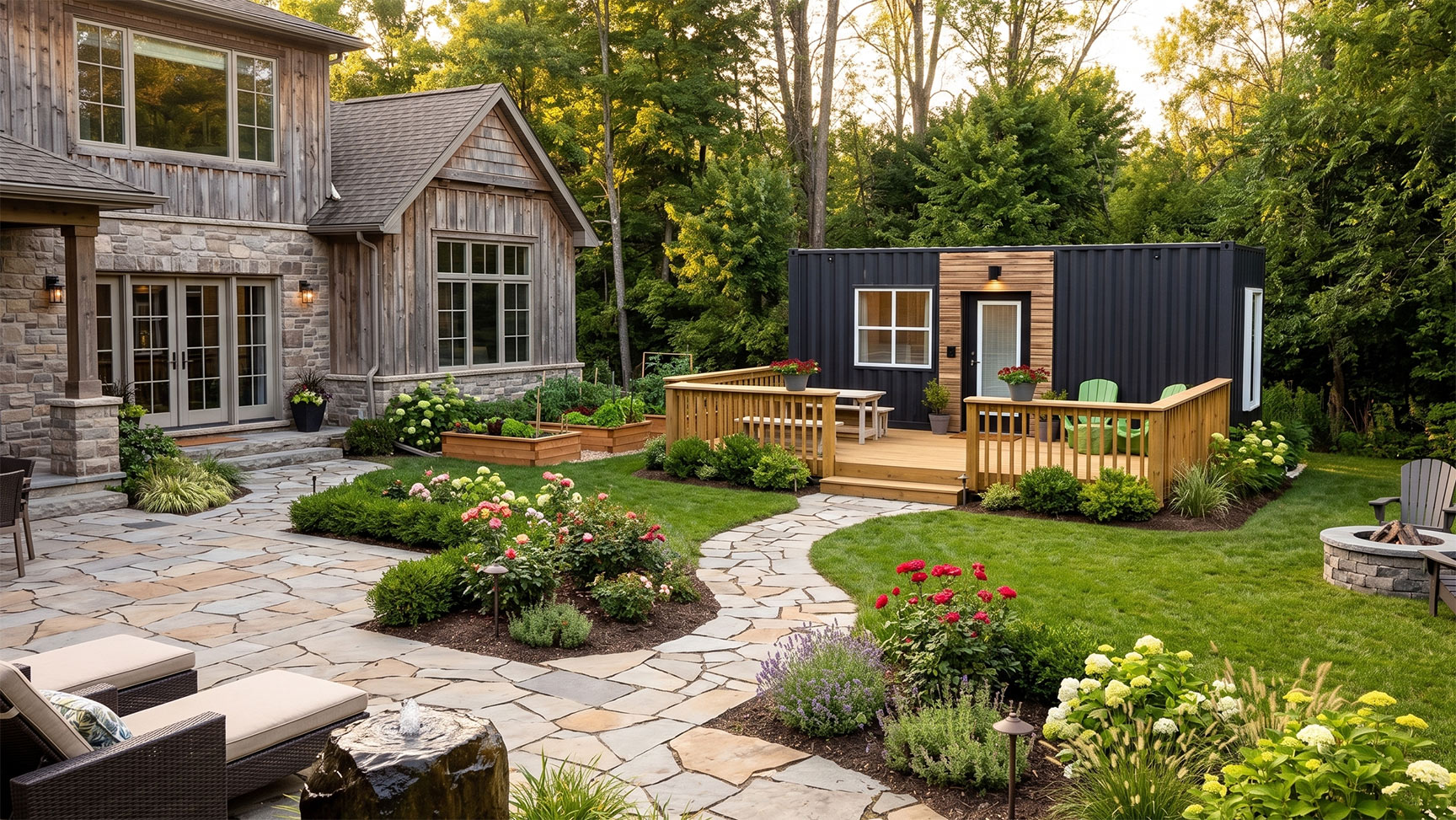
Pod20
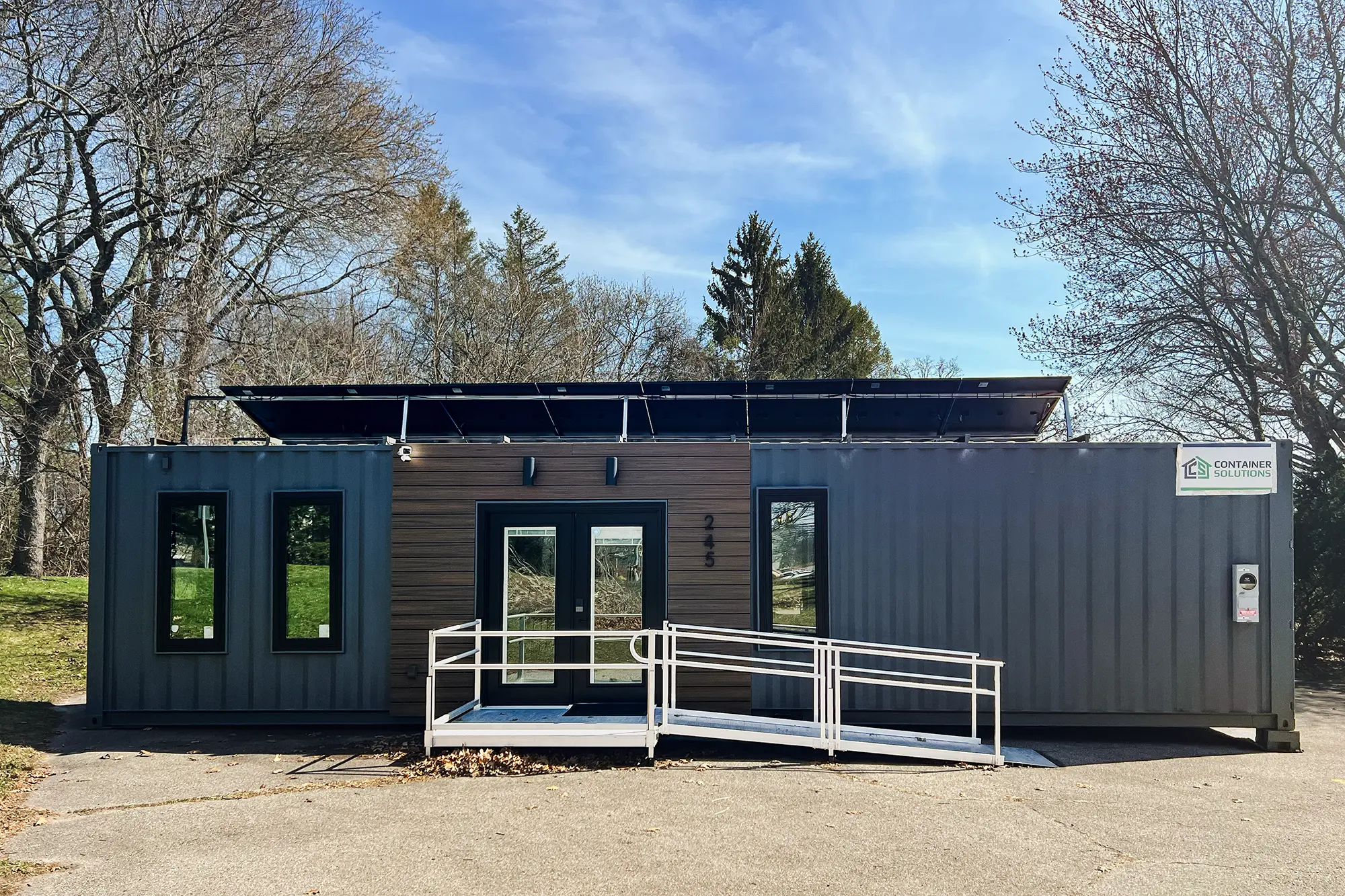
Core40
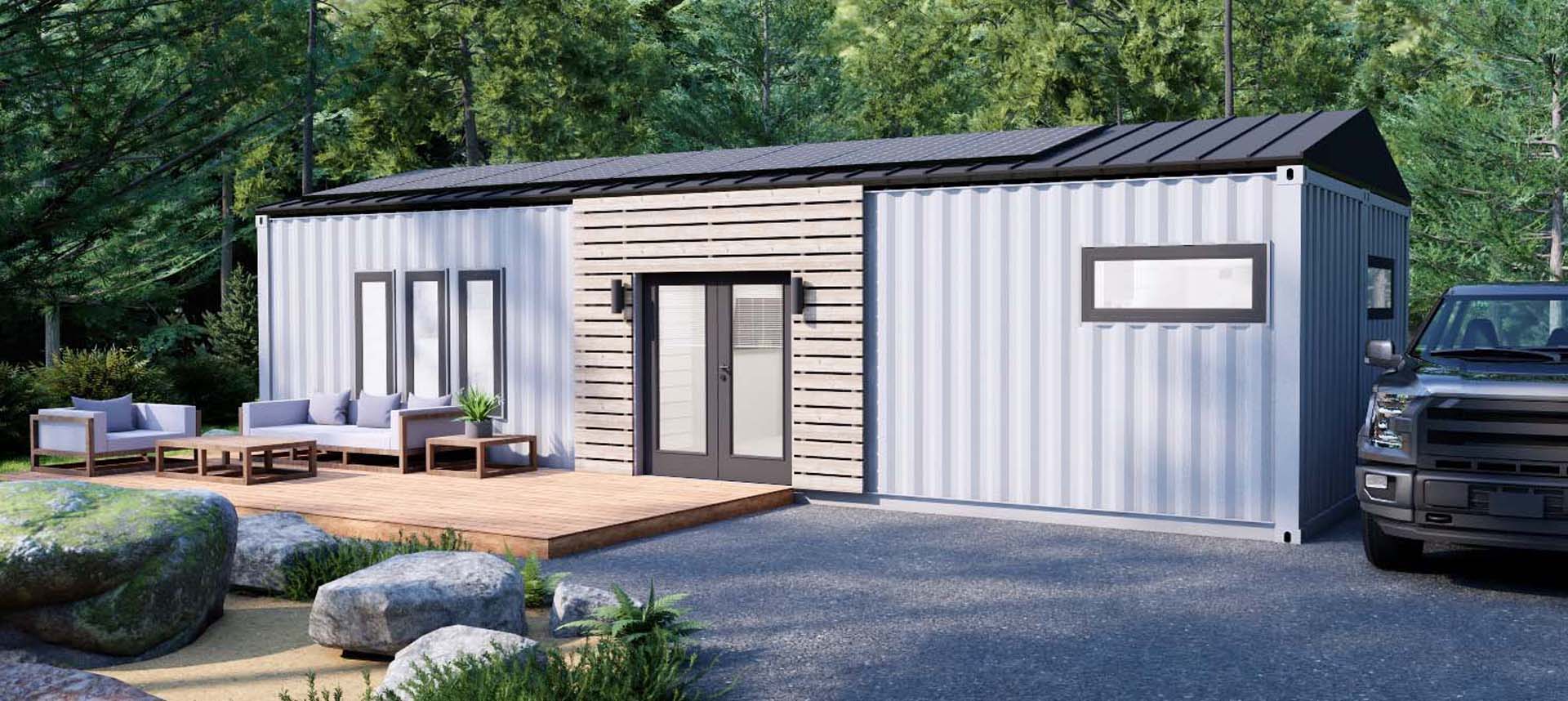
Flow80
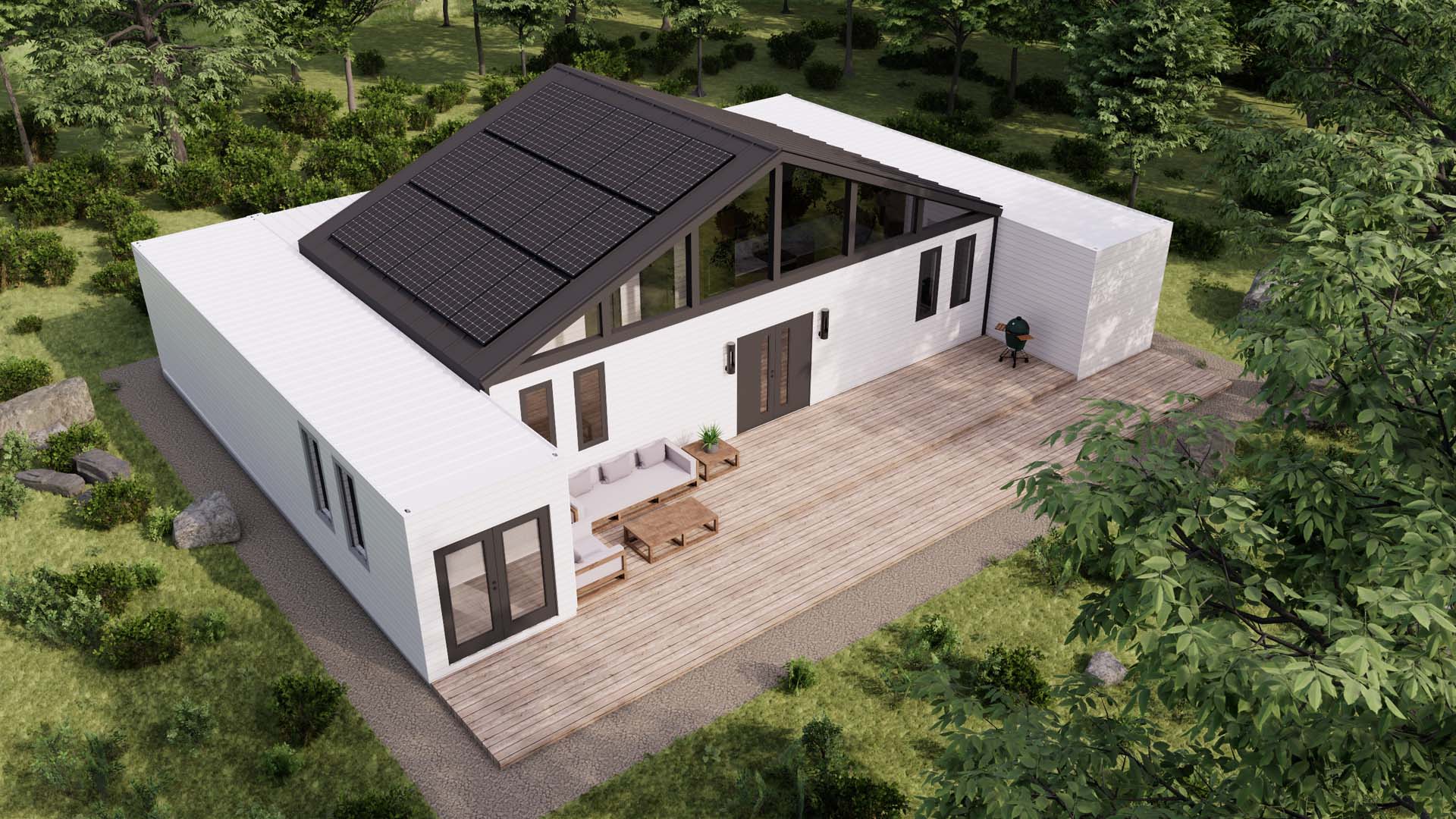
Cove120
Ready to Plan Your Project?
- (401) 903-0432
- East Providence, RI
To arrange a detailed quote, zoning analysis, or to book a tour of our flagship model located in East Providence, Rhode Island - check out our getting started page.
Have a quick question?
Not ready to start yet? Ask us anything—we’re here to help.